
Anterior pelvic tilt
 The following post is by Ryan Krane, certified Corrective Exercise Specialist and one of the leading fitness consultants specializing in corrective exercises in the Los Angeles region. He helps clients become healthier and pain-free with his brand of corrective exercise called The Krane Training Method, which combines flexibility, posture, and strength training movements to help clients remedy chronic ailments such as back pain, shoulder pain, and other common body aches.
It's like my life is back after 10-15 years in bed.
- Carla K
Too much inactivity can lead to some dire consequences
Weight gain, fatigue, and something you may not be aware of, called anterior pelvic tilt.
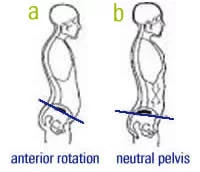
The anterior pelvic tilt occurs when the hip flexor muscles (those muscles located in the upper thigh just below the abdomen on both sides) suddenly tighten up, become overactive and ultimately lead to pain. The hip flexor muscles rotate forward then tug on the top of the pelvis and the lumbar spine, which is located on your lower back. Hence, its name: the anterior pelvic tilt. It brings forth the pelvis, which then causes the tilt. (See attached photo attached.)
A combination of weak and tight muscles pulls the pelvis forward. Tight, overactive muscles that may contribute to anterior pelvic tilt include: quadriceps group, or the front thigh muscles hip flexors, which are the small muscles in the front groin area Weak, underactive muscles that can cause this condition include: gluteus group, which are the buttocks muscles hamstring group, the muscles at the back of the thigh rectus abdominis, known as the lower abdominals Anterior pelvic tilt
Another cause of the dreaded anterior pelvic tilt is underactive glute muscles. When this area is not very strong, it will allow the tight and overactive hip flexor muscles to tug the pelvis and lumbar spine forward. Commonly, this is a pain people find in their lower back.
When a person is in this anterior pelvic tilt position for prolonged periods of time, it can cause pain in the lower back, knees, hips, and feet.
To offset the pain, stretch the hip flexors and strengthen the glutes with some targeted corrective exercises. (see below.) To give the pelvis a chance to return to its upright position, I use some stretching techniques to loosen the tight hip flexors located in the upper thigh just below the abdomen on both sides. Some stretch to try: kneeling or standing hip flexor stretch and massaging the quadriceps. As for the glutes, also try isolated strengthening moves like lateral tube walking, hip extension, and hip abduction exercises.
Pelvic Tilt Exercises
Here are some exercises that address anterior pelvic tilt pain:
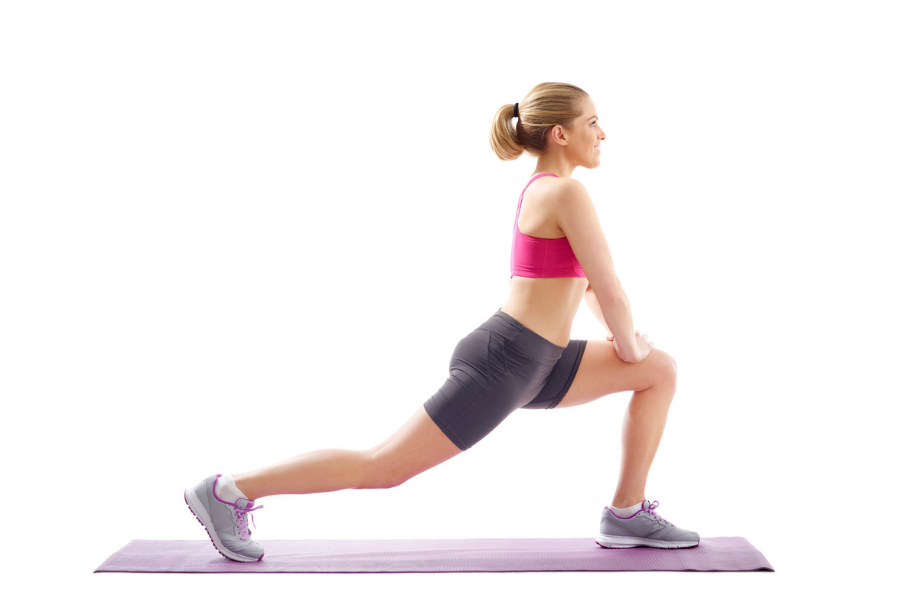
Kneeling Hip Flexor Stretch
Place one knee down on the ground while the other foot is in front of you, facing forward. Place your arms down by your side and stand up erect. Squeeze the glute “butt” muscle on the side of the body you are working on, which will reciprocally inhibit the tightness in your hip flexor. Perform 1-2 sets on each side for 20 seconds on each leg.
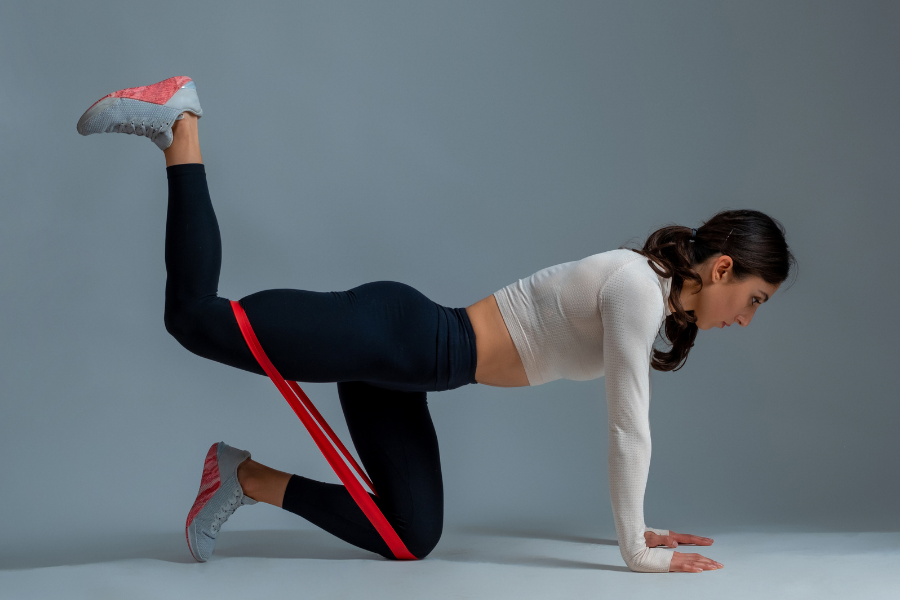
One-Legged Hip Extension with Resistance Band
If you are looking for a great gluteal workout, try the workout below. It will target not only the glutes but also hip flexors and quads to recreate your strength and balance while helping prevent anterior pelvic tilt. Try it once per week on its own or add it to your regular training days as a finisher.
20-30 sec Hanging Glute Activation Hold (superset w/ Jumping Squats)
20-30 sec Lateral Band Walks (superset w/ One-Legged Hip Extension)
3 X 8 Glute Bridge Curls
(superset w/ One-Legged Hip Extension)
45 sec each w/30-sec rest between sets.
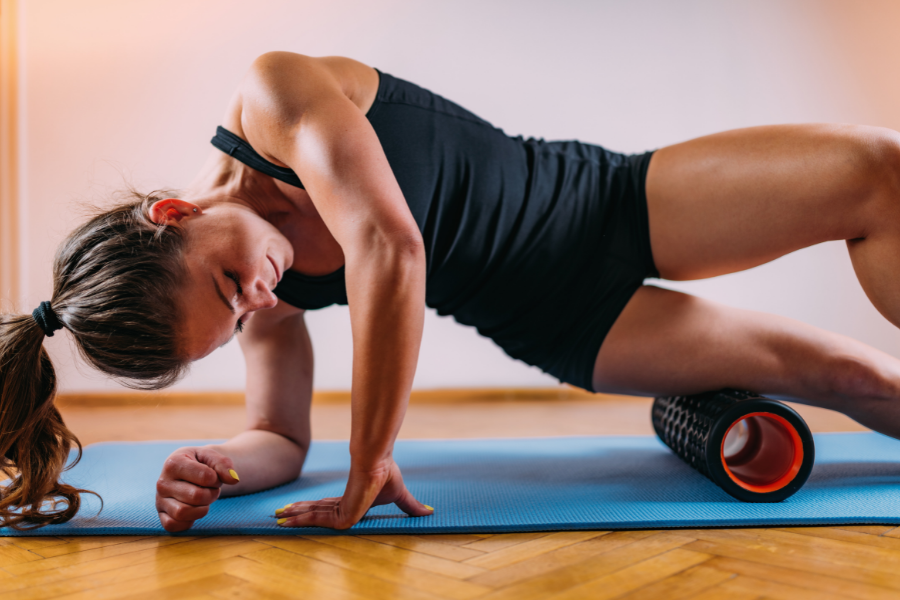
Foam Roller
Lie on your back, place the foam roller under your hip, and cross one leg over the top of the other. Roll up and down for 1 minute per side to stretch out the anterior hip flexor muscles. This will help loosen up these muscles so they can allow you to get in a position where you can work on strengthening them.
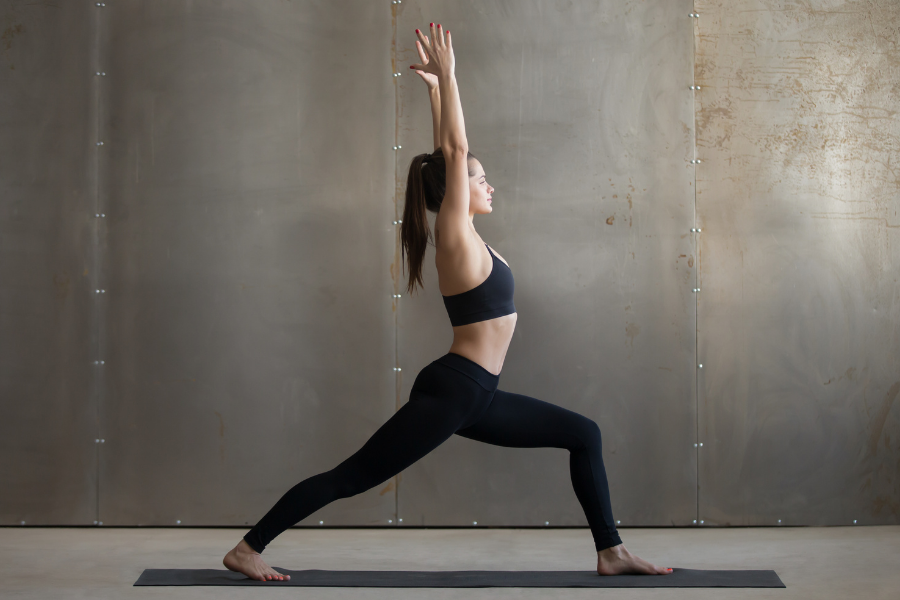
Kneeling Lunge Pose
This can be performed with either a band or dumbbells. I use the band. Place it around your legs, hooking both feet so you are in a position similar to sitting down, then perform several repetitions of the kneeling lunge pose. This will help strengthen your glutes.
Sign up for Ryan’s Pain-Free Living Tips newsletter that features topics related to health/fitness, corrective exercise, and how to prevent injuries.
You can learn more about Ryan Krane at http://www.RyanKrane.com.
Take Control of Your Pain
Proven solutions for lasting relief.